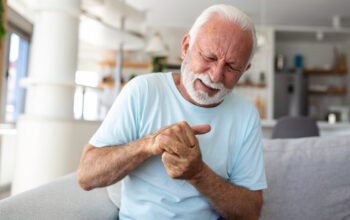
As we age, maintaining our health and fitness becomes increasingly important. Engaging in regular physical activity like senior fitness can help older adults stay active, improve their overall quality of life, and reduce the risk of various age-related health issues. This comprehensive guide will introduce workout routines designed specifically for older adults, covering everything from low-impact exercises to strength training and flexibility workouts.

Senior Fitness: The Importance of Staying Active
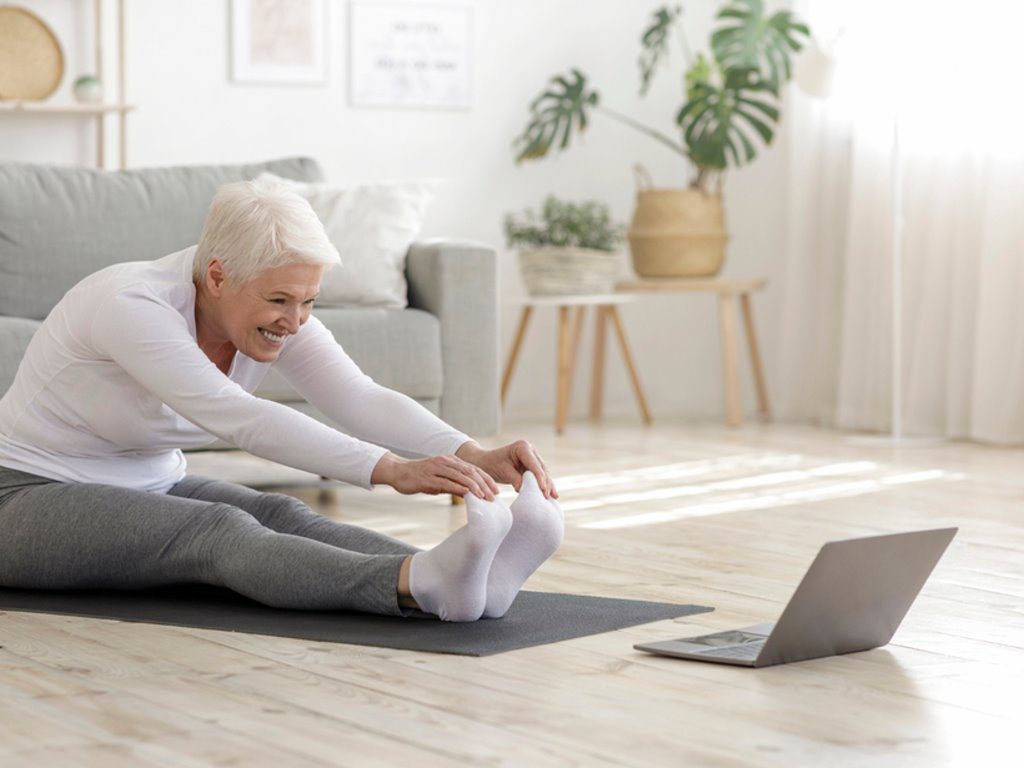
Engaging in regular exercise can offer numerous benefits for seniors, such as improving cardiovascular health, enhancing balance and mobility, promoting better sleep, and reducing the risk of chronic diseases. In addition, exercise can help older adults maintain their independence and cognitive function.
Low-Impact Workouts for Older Adults
Low-impact workouts are ideal for seniors as they are gentle on the joints and can be easily adapted to individual fitness levels. Some effective low-impact exercises for seniors include:

- Walking is an excellent, low-impact aerobic activity that helps maintain heart health and mobility.
- Swimming: Swimming offers a full-body workout that improves cardiovascular fitness, strength, and flexibility. It is also easy on the joints, making it an ideal exercise for seniors with arthritis.
- Tai Chi: Tai Chi is a low-impact mind-body practice that promotes balance, flexibility, and relaxation.
Strength Training for Older Adults
Building Strong Muscles and Bones
Strength training is essential for maintaining muscle mass and bone health in older adults. It can help prevent age-related muscle loss and protect against osteoporosis. A study published in the Journal of Aging and Physical Activity showed that resistance training could preserve fat-free mass and resting metabolic rate in older adults.
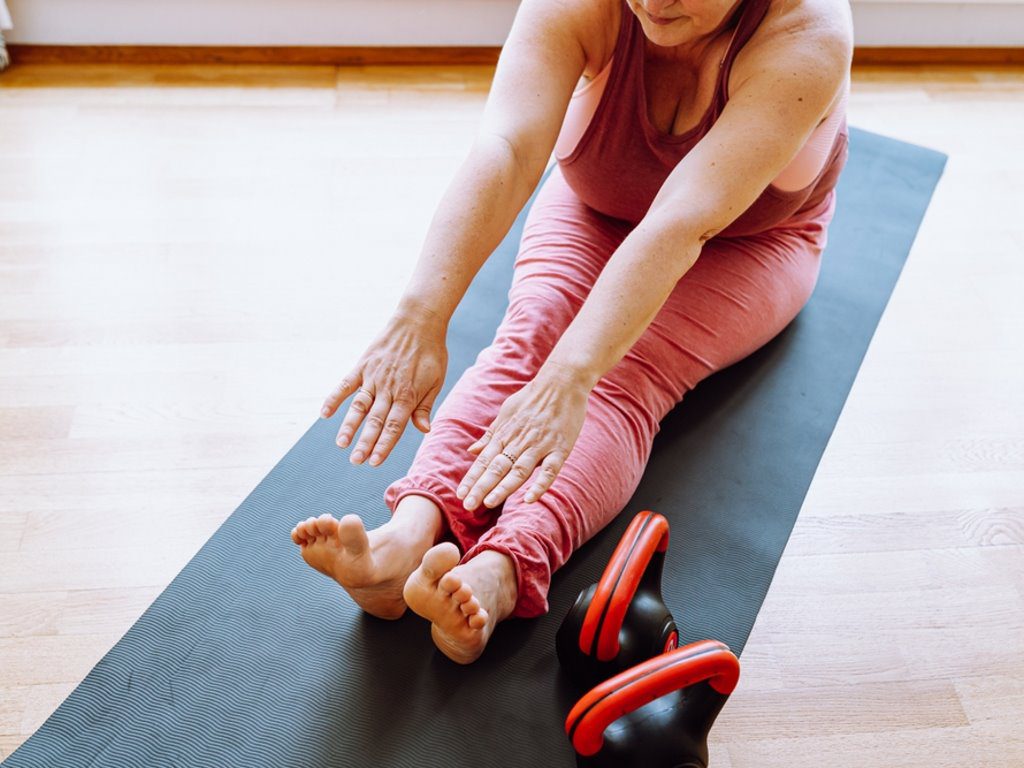
Some effective strength training exercises for seniors include:
- Chair squats
- Bicep curls
- Tricep extensions
- Resistance band exercises
- Leg press
Consult a healthcare professional or fitness expert before beginning a new strength training program.
Flexibility Exercises for Seniors
Importance of Stretching and Maintaining Range of Motion
Incorporating flexibility exercises into a senior workout routine can help maintain joint health and range of motion. Stretching
also reduces the risk of injury and promotes relaxation.
Flexibility Exercises to Include in a Senior Workout Plan
- Shoulder rolls
- Neck stretches
- Gentle side bends
- Calf stretches
- Hamstring stretches
- Chest stretches
- Quadricep stretches
The Role of Balance in Preventing Falls
Falls are a leading cause of injury, hospitalization, and loss of independence among older adults, often resulting in a decline in overall health and quality of life. Poor balance, muscle weakness, and environmental hazards can contribute to an increased risk of falls. Incorporating balance training exercises into a senior fitness routine can help improve stability, strengthen the muscles responsible for maintaining balance, and enhance coordination, ultimately preventing falls and their associated complications. By regularly engaging in balance-focused activities, older adults can effectively reduce their risk of falls and maintain a greater level of autonomy and well-being as they age.
Balance Exercises for Older Adults

Some effective balance exercises for older adults include:
Single leg stands
Here are three variations of single-leg stands to help older adults improve their balance and stability:
- Basic Single Leg Stand: Stand near a wall or sturdy chair for support. Lift one foot off the ground while maintaining balance on the supporting leg. Hold the position for 10-30 seconds, then switch to the other leg. Repeat 3-5 times on each side.
- Single Leg Stand with Arm Movements: Perform the basic single leg stand, but add arm movements to increase the challenge. While balancing on one leg, extend your arms out to the sides or in front of your body. Hold the position for 10-30 seconds, then switch to the other leg. Repeat 3-5 times on each side.
- Single Leg Stand with Eyes Closed: This variation adds an extra challenge by removing visual input. Stand near a wall or sturdy chair for support, and perform the basic single-leg stand. Once you feel stable, close your eyes and maintain balance for 10-30 seconds. Switch to the other leg and repeat. Perform 3-5 times on each side, and remember to open your eyes before switching legs.
Heel-to-toe walking
Here are some examples and variations of heel-to-toe walking to help improve balance and stability for older adults:
- Basic Heel-to-Toe Walk: Stand with your feet hip-width apart near a wall or sturdy chair for needed support. Step forward with one foot, placing your heel directly in front of your other foot’s toes. Repeat with the opposite foot and walk in a straight line for 10-20 steps. Turn around and repeat the process back to your starting point.
- Heel-to-Toe Walk with Arm Movements: Perform the basic heel-to-toe walk, but add arm movements to increase the challenge. As you step forward, extend your arms out to the sides or in front of your body. Keep your arms moving in sync with your steps, aiming for 10-20 steps in one direction before turning around and walking back to your starting point.
- Heel-to-Toe Walk on a Line: This variation adds an extra challenge by walking along a straight line. Find a line on the floor or use a piece of tape to create one. Perform the basic heel-to-toe walk along the line, keeping your feet as close to the line as possible. Aim for 10-20 steps in one direction, then turn around and walk back to your starting point.
Chair sit-to-stands
Here are some examples and variations of chair sit-to-stands to help improve lower body strength and balance for older adults:
- Basic Chair Sit-to-Stand: Position a sturdy chair on a non-slip surface. Sit on the chair with your feet flat on the ground and hip-width apart. Lean slightly forward and use your leg muscles to stand up, keeping your knees aligned with your feet. Slowly lower yourself back into the seated position. Repeat 10-15 times.
- Chair Sit-to-Stand with Arm Cross: Perform the basic chair sit-to-stand, but cross your arms over your chest instead of using them for support. This variation adds an extra challenge by relying solely on your leg muscles to perform the movement. Aim for 10-15 repetitions.
- Single-Leg Chair Sit-to-Stand: This advanced variation increases the challenge by working one leg at a time. Start seated with one foot flat on the ground and the other leg extended straight out in front of you. Using only the supporting leg, push yourself up into a standing position, then slowly lower back into the chair. Complete 5-10 repetitions on one side before switching to the other leg.
Ensure proper form and safety by progressing gradually from the basic to the more advanced variations. Consult with a healthcare professional or fitness expert if you are unsure about your ability to perform these exercises safely.

Tai Chi
Here are some examples of Tai Chi exercises that can be beneficial for older adults looking to improve balance, flexibility, and overall well-being:
- Parting the Wild Horse’s Mane: Stand with your feet shoulder-width apart and knees slightly bent. Slowly shift your weight to your right foot while raising your left foot and stepping to the left. As you step, raise your hands to shoulder height with your palms facing down. Shift your weight to your left foot while gently lowering your hands. Repeat on the other side. This exercise helps improve balance and leg strength.
- Wave Hands Like Clouds: Stand with your feet shoulder-width apart and knees slightly bent. Bring your hands up to chest level with palms facing each other. Slowly shift your weight to one side and turn your waist, allowing your hands to follow the movement flowingly. Then, shift your weight to the other side and turn your waist, letting your hands follow the movement. This exercise helps enhance balance, flexibility, and relaxation.
- Brush Knee and Push: Stand with your feet shoulder-width apart and knees slightly bent. Shift your weight to your right foot and raise your left foot, stepping forward. As you step, twist your waist to the left and raise your left hand to shoulder height, palm facing down. At the same time, push your right hand forward at waist height, palm facing up. Shift your weight to your left foot, then slowly return to the starting position. Repeat on the other side. This exercise helps improve coordination, balance, and leg strength.
Tai Chi exercises should be performed with slow, fluid movements and controlled breathing. Beginners may benefit from attending Tai Chi classes or following instructional videos to learn proper form and technique. As with any exercise program, consult a healthcare professional or fitness expert before beginning Tai Chi, especially if you have any underlying health concerns.
Yoga
Here are some examples of yoga poses and sequences that can be beneficial for older adults looking to improve balance, flexibility, and overall well-being:
- Mountain Pose (Tadasana): Stand with your feet hip-width apart and arms by your sides. Distribute your weight evenly between your feet and engage your leg muscles. Lengthen your spine, relax your shoulders, and reach the crown of your head towards the ceiling. This foundational pose promotes proper posture and body awareness.
- Tree Pose (Vrksasana): Stand with your feet hip-width apart. Shift your weight to your left foot, then lift your right foot and place it on your left inner thigh or calf, avoiding the knee. Bring your palms together before your chest or extend your arms overhead. Hold the pose for a few breaths, then switch sides. This balance pose improves leg strength and stability.
- Cat-Cow Pose (Marjaryasana-Bitilasana): Start on your hands and knees with your hands directly below your shoulders and knees below your hips. As you inhale, arch your back, dropping your belly towards the floor and lifting your chest and tailbone towards the ceiling (Cow Pose). As you exhale, round your back, tucking your tailbone under and drawing your chin towards your chest (Cat Pose). Repeat this sequence for several breaths. This gentle flow stretches and strengthens the spine.
- Downward-Facing Dog (Adho Mukha Svanasana): Start on your hands and knees with your hands slightly forward of your shoulders. Tuck your toes under and lift your hips, straightening your legs and pressing your heels toward the floor. Keep your spine lengthened and your arms engaged. This pose stretches the entire body and can help improve balance and strength.
- Child’s Pose (Balasana): Start on your hands and knees. Sit back on your heels, then fold your torso over your thighs, resting your forehead on the floor. Extend your arms in front of you or rest them by your sides. This restorative pose gently stretches the hips, thighs, and back while promoting relaxation.
Beginners may benefit from attending yoga classes or following instructional videos to learn proper form and technique. Always listen to your body and modify poses to suit your needs and abilities. Consult with a healthcare professional or fitness expert before beginning a yoga practice, especially if you have any underlying health concerns.
For more information on balance training, consider visiting the National Institute on Aging’s balance exercise guide.
Age-Appropriate Workouts: Tips and Resources
Finding Senior-Friendly Exercises
When selecting exercises for older adults, one must consider the individual’s current fitness level, health concerns, and personal preferences. Senior exercise classes, online workout videos, and fitness apps for older adults can provide guidance and support. Additionally, working with a personal trainer experienced in senior fitness can ensure a safe and effective workout program.
Staying Motivated and Consistent
Consistency is crucial for reaping the benefits of exercise. To stay motivated, older adults can:
- Set realistic fitness goals
- Find a workout buddy or group
- Track progress in a fitness journal
- Choose activities they enjoy
In conclusion, incorporating workout routines tailored for older adults can significantly improve their health, fitness, and quality of life. By engaging in low-impact workouts, strength training, flexibility exercises, and balance training, seniors can maintain their independence and stay active well into their golden years.