Introduction to Home Safety and Accessibility for Seniors
As the global population ages, the importance of home safety and accessibility for seniors cannot be overstated. A safe and accessible home is essential for seniors to maintain their independence, reduce the risk of injuries, and enhance their overall quality of life. This comprehensive guide will discuss various aspects of home safety, accessibility improvements, and innovative home technologies that can significantly benefit seniors and their families. We will also touch upon the principles of Universal Design, available government programs, and future trends in home safety and accessibility.
The Importance of Home Safety and Accessibility for Seniors and Individuals with Disabilities
Home safety and accessibility play a crucial role in the lives of seniors and individuals with disabilities. With age, mobility and physical capabilities can decrease, making everyday tasks more challenging. Ensuring that a home environment is safe and accessible helps to prevent accidents, such as slip and fall accidents, and facilitates independent living. Moreover, accessible home modifications can make it easier for seniors to age in place, allowing them to remain in their homes and communities for as long as possible.
Home safety is not only limited to fall prevention but also includes other aspects like fire safety, carbon monoxide detection, and emergency preparedness. By taking a comprehensive approach to home safety and accessibility, seniors and individuals with disabilities can enjoy a safer and more comfortable living environment.

Common Home Safety Hazards and How to Prevent Them
Slip and Fall Accidents
Falls are a significant risk for seniors, with the Centers for Disease Control and Prevention (CDC) stating that one in four older adults falls each year. To minimize the risk of falls, consider installing non-slip flooring and removing trip hazards like loose rugs and clutter. To provide additional support, hIn addition, handrails and grab bars should be installed in critical areas, such as stairways and bathrooms.
Fire Hazards
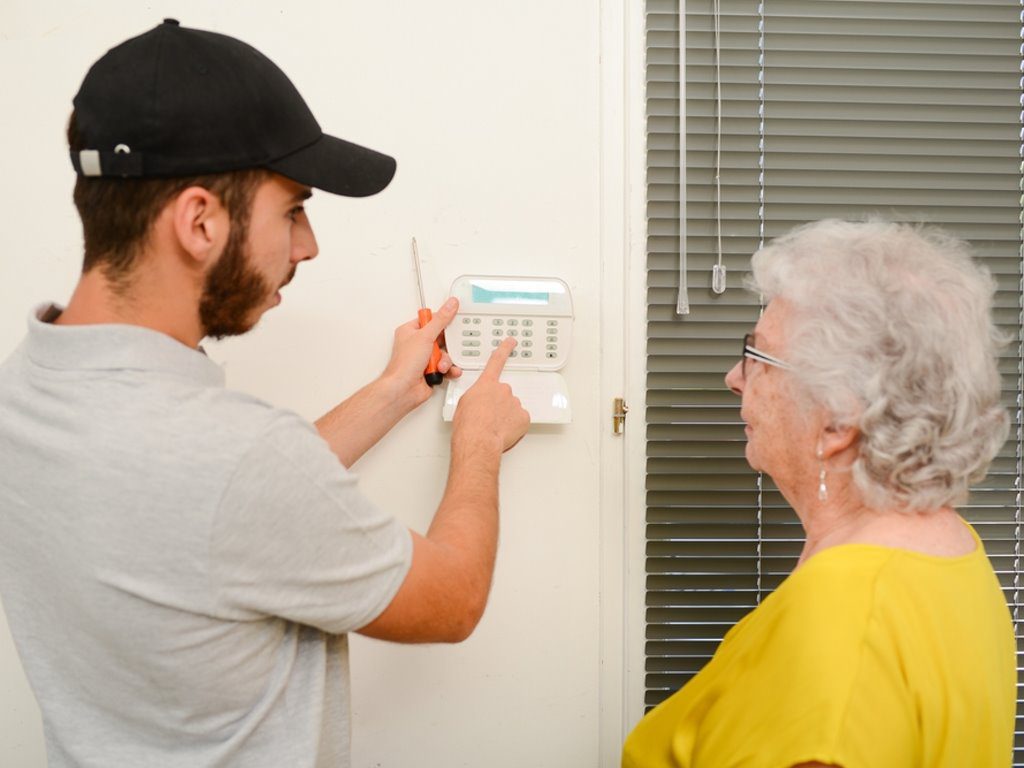
Fire safety is critical for seniors with limited mobility and slower reaction times. Ensure that smoke alarms are installed on every home level and tested regularly. Keep fire extinguishers in accessible locations and create an emergency escape plan in case of a fire.
Carbon Monoxide and Gas Leaks
Carbon monoxide is a colourless, odourless gas that can be deadly. Seniors should have carbon monoxide detectors installed near sleeping areas and gas-burning appliances. Regular inspections of gas lines and devices should also be conducted to minimize the risk of gas leaks.
Poisoning
Poisoning is another hazard that seniors should be mindful of. Medications, cleaning products, and other potentially harmful substances should be stored in their original containers and kept securely away from food and drinks. Seniors should also be familiar with the Poison Help hotline (1-800-222-1222) in case of emergency.
Electrical Hazards
Electrical hazards pose a risk to seniors, mainly if they have limited mobility or cognitive impairments. Ensure that electrical cords are in good condition, outlets are not overloaded, and a licensed electrician performs all electrical work. Additionally, consider using ground fault circuit interrupter (GFCI) outlets in areas with water, such as bathrooms and kitchens, to prevent electrical shocks.
Home Accessibility Improvements and Modifications
Entrance Ramps and Stairlifts
Creating accessible entrances for seniors is crucial for maintaining their independence. Installing entrance ramps can provide wheelchair access and make it easier for those with mobility limitations to enter and exit the home. In addition, stairlifts can be added to indoor staircases to assist seniors in safely accessing different levels of their homes.
Widened Doorways and Hallways
Widening doorways and hallways can accommodate wheelchairs and walkers, making it easier for seniors to move throughout their homes. Installing lever door handles can also be beneficial, as they are easier to use than traditional doorknobs, especially for those with arthritis or limited hand strength.
Accessible Kitchens and Bathrooms
Kitchens and bathrooms are two areas where seniors may require additional modifications for accessibility. Consider installing adjustable countertops, lower cabinets, and roll-under sinks in kitchens to accommodate wheelchair users. Accessible bathrooms may include walk-in bathtubs, roll-in showers, raised toilet seats, and strategically placed grab bars for safety and support.
Grab Bars and Railings
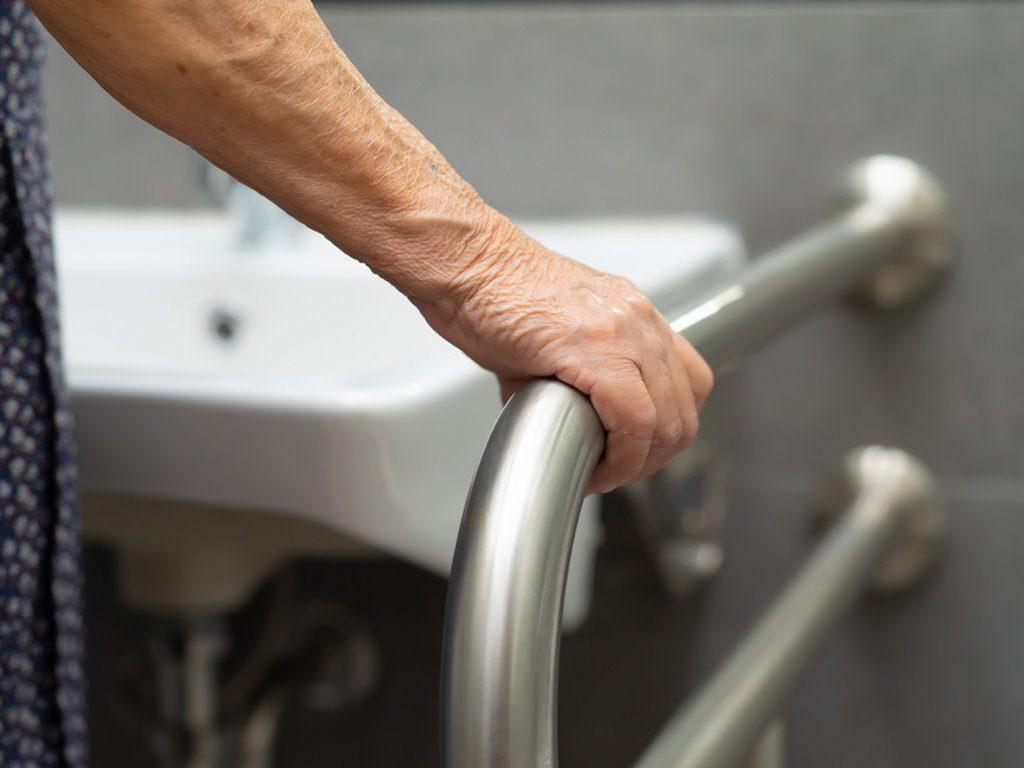
Installing grab bars and railings throughout the home can provide seniors additional support and stability. These should be placed where falls are more likely, such as bathrooms, hallways, and staircases.
Improved Lighting
Proper lighting is essential for seniors, especially those with vision impairments, to navigate their homes safely. Installing bright, energy-efficient LED lights and nightlights in hallways and stairways can reduce the risk of accidents and improve overall visibility.
Smart Home Technologies for Safety and Accessibility
Voice-activated Devices and Controls
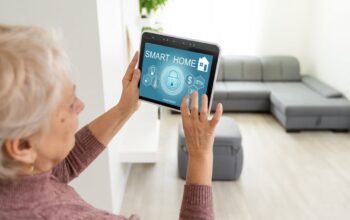
Seniors can use intelligent speakers and voice-activated devices to control various aspects of their homes, such as lighting, temperature, and entertainment systems. These devices can help seniors maintain independence and reduce the need for physical interaction with controls, which can be especially helpful for those with mobility limitations.
Automated Lighting Systems
Automated lighting systems can be programmed to turn on and off at specific times or when motion is detected, ensuring that seniors always have adequate lighting. This technology can also help conserve energy and reduce utility costs.
Security Cameras and Monitoring Systems
Security cameras and monitoring systems can provide seniors and their families peace of mind by allowing them to monitor their homes remotely. These systems can also be helpful for caregivers, who can keep an eye on their loved ones and respond quickly in an emergency.
Medical Alert Systems
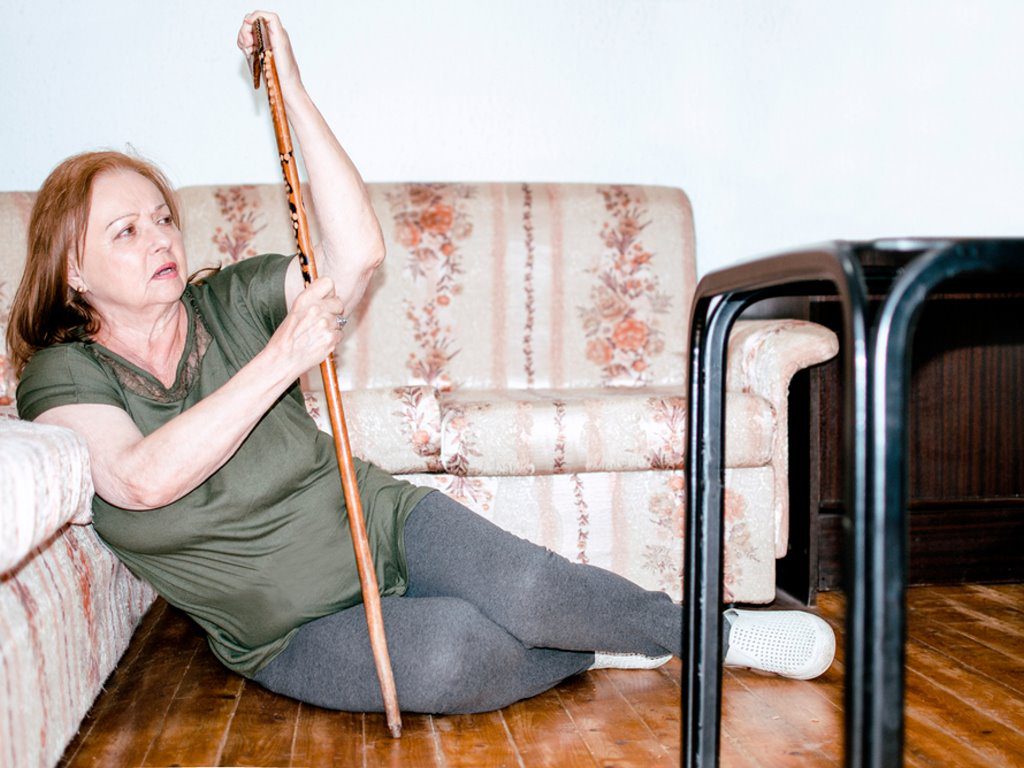
Medical alert systems allow seniors to call for help in an emergency, such as a fall or medical issue. These systems typically consist of a wearable pendant or wristband with a button that can be pressed to summon assistance.
Implementing Universal Design Principles in Your Home
Universal Design is a design approach that aims to create spaces usable by people of all ages and abilities. By implementing Universal Design principles in your home, you can create an environment that is accessible and comfortable for seniors and individuals with disabilities. Some critical aspects of Universal Design include creating barrier-free access, ensuring adequate lighting, and incorporating user-friendly controls and appliances. For more information, refer to the Universal Design website.
Government Programs and Financial Assistance for Home Modifications
Several government programs and financial assistance options are available for seniors who need help with home modifications. Programs such as the Section 504 Home Repair program and the Specially Adapted Housing (SAH) grant for veterans can provide financial assistance for necessary changes. Additionally, state and local agencies may offer low-interest loans, tax credits, or other assistance programs. Researching and applying for these programs is essential to help offset the costs of making your home more accessible and safe.
How to 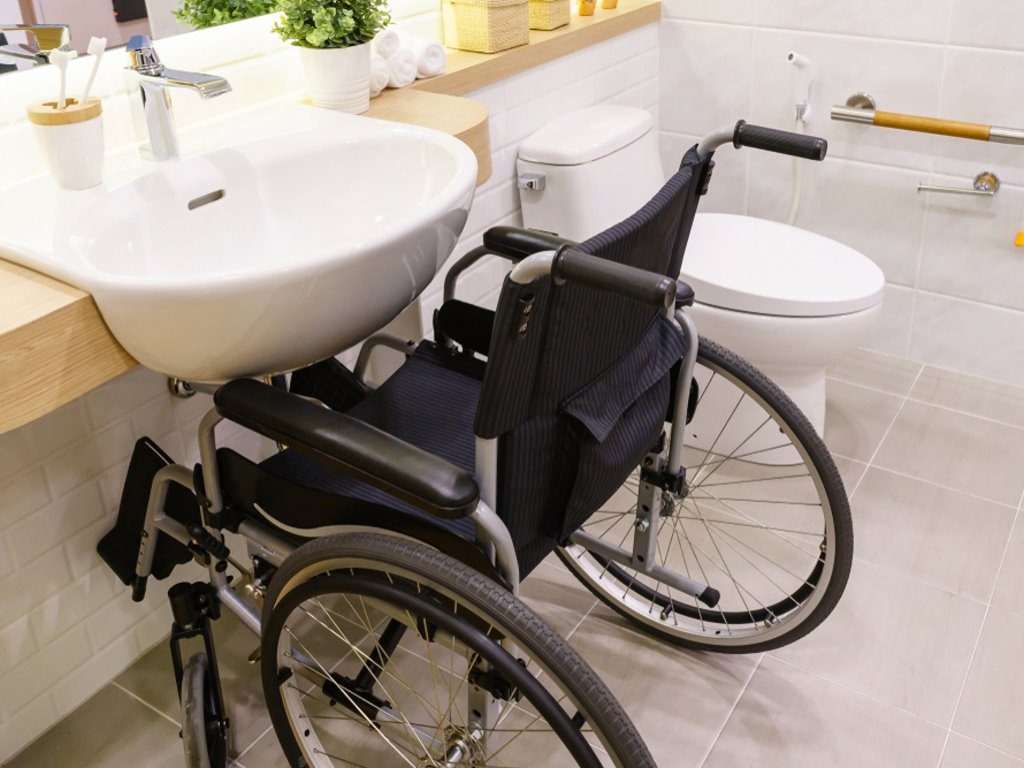
Assessing your home’s safety and accessibility is critical in identifying potential hazards and necessary modifications. Consider consulting with a Certified Aging Place Specialist (CAPS), occupational therapist, or other accessibility professionals who can provide guidance and recommendations tailored to your needs. These professionals can conduct a thorough home assessment and offer practical solutions to improve safety and accessibility for seniors.
Tips for Selecting a Professional Contractor for Accessibility Modifications
When choosing a contractor for accessibility modifications, it’s crucial to select a reputable professional with experience in working with seniors and individuals with disabilities. Here are some tips to help you make an informed decision:
- Ask for referrals from friends, family, or local organizations specializing in ageing or disability services.
- Verify the contractor’s license and insurance, and check for any complaints or disciplinary actions with the Better Business Bureau or your state’s licensing board.
- Request references and examples of previous accessibility projects completed by the contractor.
- Ensure the contractor is familiar with ADA guidelines and Universal Design principles.
- Get multiple quotes and compare the services offered, quality of materials, and overall costs before deciding.
The Future of Home Safety and Accessibility: Trends and Innovations
As the demand for accessible and safe housing continues to grow, so does the innovation in home safety and accessibility solutions. Future trends may include more advanced innovative home technologies, the increased adoption of Universal Design principles in residential construction, and further advancements in accessible appliances and fixtures. Staying informed about the latest trends and innovations can help seniors and their families create a safer and more comfortable living environment.
Frequently Asked Questions
1. What is the difference between home safety and home accessibility?
Home safety focuses on preventing accidents and hazards within the home, while home accessibility aims to make the home environment more navigable and functional for seniors and individuals with disabilities. Both aspects are essential for creating a comfortable and secure living space.
2. How much do home accessibility modifications typically cost?
The cost of home accessibility modifications can vary greatly depending on the specific changes needed, the materials used, and the project’s complexity. More minor improvements, like installing grab bars, can cost a few hundred dollars. In contrast, more extensive projects, such as installing a wheelchair ramp or remodelling a bathroom, can cost several thousand dollars. Financial assistance programs may be available to help offset some of these costs.
3. Are there specific building codes and regulations for home accessibility?
There are building codes and regulations related to home accessibility, such as the Americans with Disabilities Act (ADA) guidelines. These guidelines outline minimum accessibility standards for various aspects of a home, including doorways, bathrooms, and ramps. Therefore, it is essential to ensure that any modifications made to your home comply with these guidelines and any local building codes.
4. Can I make home accessibility modifications, or need a professional?
While handy homeowners can complete minor modifications, consulting with a professional is generally recommended, especially for more complex projects. A Certified Aging Place Specialist (CAPS), occupational therapist, or experienced contractor can help ensure that modifications are completed correctly, safely, and in compliance with relevant regulations.
5. How can I make my home safer for a senior family member with dementia?
Creating a safe environment for a senior with dementia involves addressing both safety and accessibility concerns. Some recommendations include installing additional lighting, using contrasting colours to make objects and surfaces more visible, removing clutter and trip hazards, and using safety devices such as stove guards and automatic shut-off switches for appliances. Consulting with a dementia care specialist or occupational therapist can provide further guidance on creating a dementia-friendly home.
Conclusion: Ensuring Home Safety and Accessibility for Seniors
As our population ages, the need for safe and accessible living environments becomes increasingly essential. By addressing both home safety and accessibility concerns, seniors can enjoy a higher quality of life, maintain their independence, and reduce the risk of accidents and injuries. Therefore, it’s essential to assess your home’s safety and accessibility regularly and make necessary modifications to accommodate the changing needs of seniors and individuals with disabilities.
By staying informed about the latest trends and innovations in home safety and accessibility, working with professionals, and leveraging financial assistance programs, seniors and their families can create a comfortable and secure living environment that supports ageing in place and allows for the highest possible level of independence.