Understanding the Needs of Seniors and Creating a Safe Environment
Creating a safe and accessible home for seniors involves understanding their unique needs and challenges. This supporting article will provide practical tips and suggestions for seniors and their families to enhance the safety and accessibility of their homes. We will also link to a valuable resource, 10 Tips for Senior Home Safety and Accessibility, to further guide you in making your home comfortable and secure living space.
Practical Tips for Enhancing Home Safety for Seniors
Eliminate Clutter and Organize Living Spaces
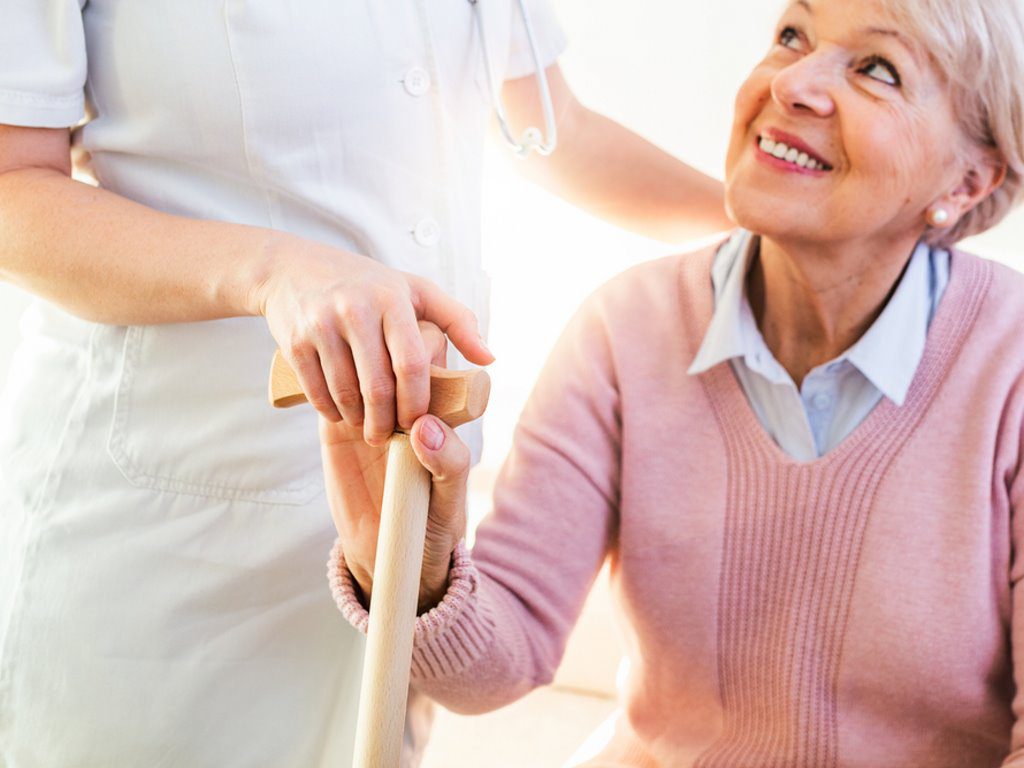
One of the simplest yet most effective ways to improve home safety for seniors is to eliminate clutter and maintain an organized living space. Removing unnecessary items and creating clear pathways can significantly reduce the risk of trips and falls. In addition, ensure that frequently used items are within easy reach to minimize strain and the risk of accidents.
Choose the Right Flooring
Seniors may experience difficulty maintaining balance and may be more prone to slips and falls. Choosing the right flooring can play a crucial role in preventing these accidents. Opt for slip-resistant flooring materials like rubber, cork, or low-pile carpeting. Avoid using high-gloss finishes or wax on floors, as they can be slippery.

Install Proper Lighting Throughout the Home
As mentioned in our main article, proper lighting is essential for seniors, especially those with vision impairments. In addition to installing bright, energy-efficient LED lights and nightlights, consider adding under-cabinet lighting in kitchens and bathrooms for better visibility.
Enhancing Home Accessibility for Seniors with Mobility Challenges
Opt for Open Floor Plans
Open floor plans provide a more spacious and navigable living environment for seniors, especially those who use mobility aids such as wheelchairs or walkers. By removing non-load-bearing walls and creating open-concept living spaces, seniors can move more freely and comfortably throughout their homes.
Use Easy-to-Reach Storage Solutions
Accessing items in high or hard-to-reach cabinets can be challenging for seniors with limited mobility or strength. Instead, implement easy-to-reach storage solutions, such as pull-down shelves, pull-out drawers, or Lazy Susans, to make daily tasks more manageable and reduce the risk of falls or strain injuries.
Install Touchless Faucets and Appliances
Touchless faucets and appliances can benefit seniors with difficulty operating traditional fixtures or those with arthritis. By installing touchless or motion-activated devices, seniors can maintain independence while minimizing physical strain.

Building a Support System for Seniors Living Independently
Stay Connected with Family, Friends, and Caregivers
Seniors living independently can benefit from staying connected with their support network, including family, friends, and caregivers. Regular check-ins, either in-person or via technology such as video calls or messaging apps, can help seniors maintain a sense of community and ensure their well-being is monitored.
Participate in Community Activities
Community activities can help seniors stay connected, active, and mentally stimulated. Local senior centres, libraries, and community organizations often offer a variety of classes, events, and activities specifically designed for older adults. Participating in these programs can improve seniors’ well-being and provide a valuable support network.
Implement a Home Safety Plan
Developing a home safety plan is essential for seniors living independently. This plan should include emergency contact information, escape routes in case of fire, and a list of any medications and medical conditions. Keep this plan in an easily accessible location and ensure that family members, friends, and caregivers know it.
Additional Resources for Senior Home Safety and Accessibility
Besides our main article, many valuable resources are available online to guide seniors and their families in creating a safe and accessible living environment. We recommend visiting the following resource to learn about this critical topic: 10 Tips for Senior Home Safety and Accessibility.
Conclusion: Taking Action to Create a Safe and Accessible Home for Seniors
Enhancing home safety and accessibility for seniors requires a combination of reasonable modifications, awareness of seniors’ unique needs, and a robust support system. Following the tips and suggestions outlined in this supporting and our main article, you can take meaningful steps to create a comfortable, secure, and independent living environment for seniors.
Remember that every individual’s needs may vary, and it’s essential to consult with professionals such as Certified Aging Place Specialists (CAPS), occupational therapists, or experienced contractors to ensure that your home is tailored to the senior’s specific needs in question. By taking action now, you can help ensure the safety and well-being of seniors living independently and provide peace of mind for their families and caregivers.